
EPP foam is widely used in automotive parts, industrial packaging, and protective cushioning because of its excellent impact resistance and durability. However, once these products reach the end of their service life, they quickly become bulky waste that is difficult to store and transport.
For this reason, EPP foam recycling cannot rely on simple collection alone. Instead, it requires a clear, step-by-step recycling process that focuses on volume reduction, material handling efficiency, and stable output. When handled correctly, EPP foam scrap can be transformed into reusable plastic pellets with real economic value.
To better understand the recycling process, it is helpful to first look at the material itself. EPP stands for Expanded Polypropylene. It is a polypropylene-based foam material with a closed-cell structure. Compared with EPS and EPE foams, EPP has higher strength, better elasticity, and stronger compression resistance.
At the same time, EPP is a thermoplastic material. This means it can be reheated, reshaped, and reprocessed without changing its basic chemical structure. Thanks to this property, EPP foam is 100% recyclable and suitable for mechanical recycling into reusable PP materials.
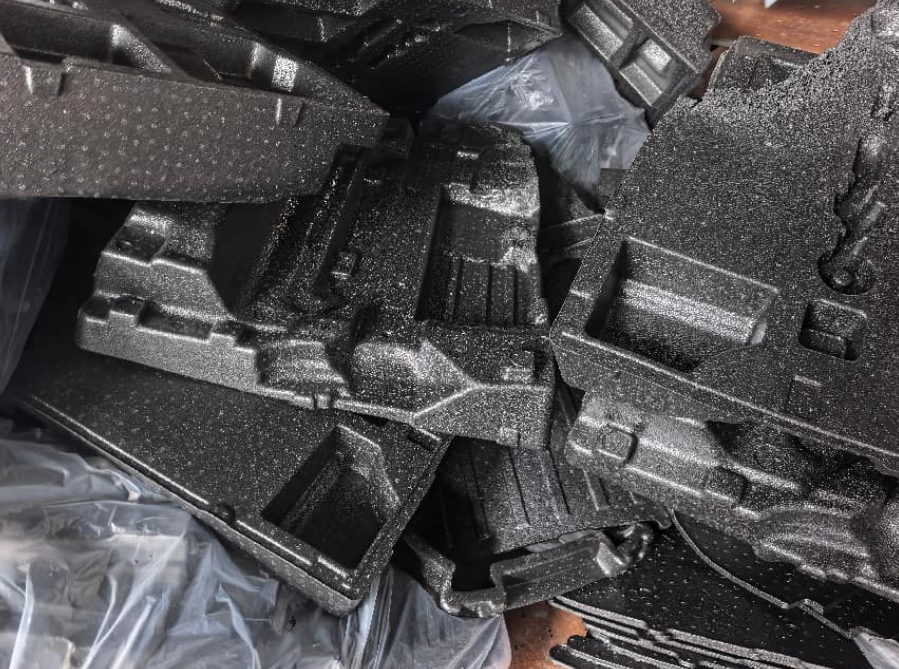
Despite its recyclability, EPP foam presents several practical challenges. First, it is very light but takes up a large amount of space, which leads to high transportation and storage costs. Second, its harder structure makes it more difficult to compress compared with softer foams such as EPS.
Because of these factors, direct transportation of loose EPP foam scrap is rarely economical. As a result, effective recycling always starts with volume reduction before moving on to further processing steps.
The recycling process begins with proper collection and sorting. EPP foam waste typically comes from automotive manufacturing, industrial packaging, protective inserts, and logistics operations.
At this stage, materials are sorted based on cleanliness, size, and moisture content. Foreign materials such as metal, tape, or labels are removed. This preparation step helps protect downstream equipment and ensures more stable processing results.
After sorting, EPP foam scrap must be reduced in size. This is done using an EPP foam shredder or crusher. Shredding breaks large foam pieces into smaller, uniform fragments that are easier to handle and feed into compression or melting equipment.
Controlled particle size is important because it improves compression efficiency and ensures consistent material flow during later processing stages. Without proper shredding, both compaction and pelletizing performance can be negatively affected.
Once the EPP foam has been shredded, the most critical step follows: compression. Volume reduction is the foundation of any successful EPP recycling solution. By compressing the foam, businesses can dramatically reduce storage space requirements and transportation costs.
Compressed EPP material is easier to manage, easier to trade, and far more suitable for further recycling into pellets or other reusable forms.
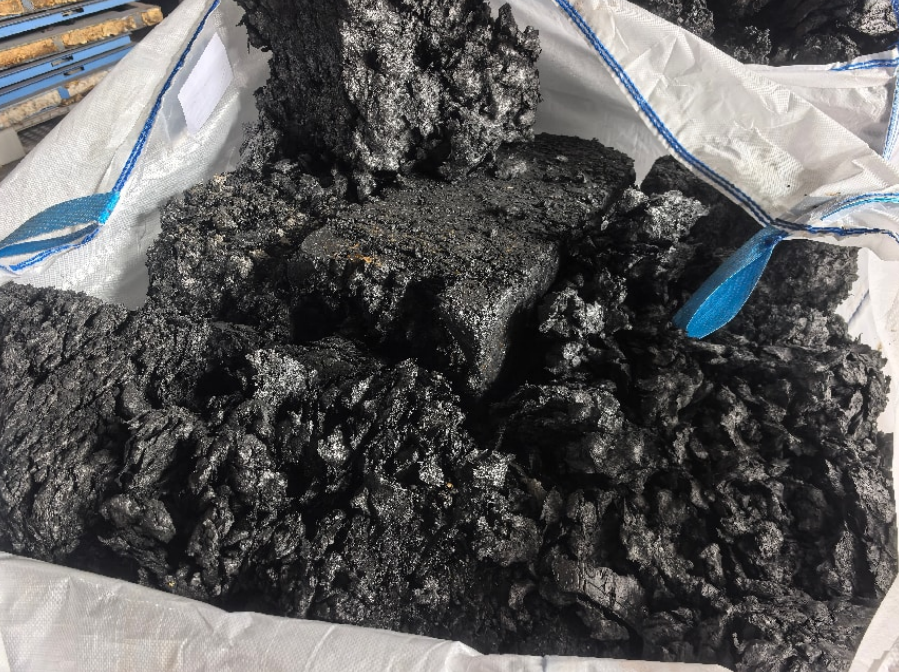
One common compression method is cold pressing using an EPP foam compactor. In this process, shredded EPP foam is conveyed into the machine’s feeding hopper and compressed by mechanical pressure through a screw system.
Modern EPP compactors often include a surface hot-melting device. This feature slightly softens the surface of the compressed block, helping prevent the material from loosening or rebounding after compression. Cold pressing is energy-efficient and works well for dry, clean EPP foam waste.
In addition to cold pressing, hot melting is another effective volume reduction method. An EPP foam hot melting machine combines shredding, heating, and extrusion into one continuous process.
After crushing, the foam is heated until it softens and is then extruded into dense blocks. Hot melting achieves a higher compression density, which is especially useful for centralized recycling operations or long-distance transportation. The resulting material is stable, compact, and easy to store.
After compression, EPP foam can be further processed into reusable plastic pellets. This step is carried out using an EPP pelletizer, also known as an EPP foam granulator.
During pelletizing, compressed EPP material is melted, filtered, extruded, and cut into uniform PP granules. These recycled pellets take up very little space and are easy to package, transport, and reuse in plastic manufacturing. Pelletizing significantly increases the material’s reuse value and market acceptance.
Recycled EPP pellets are valued for their stable performance and versatility. When properly processed, they offer consistent particle size and reliable material properties.
These pellets are commonly used in injection molding, industrial plastic products, and non-structural components. In many cases, recycled EPP pellets are blended with virgin polypropylene to balance performance and cost, making them suitable for a wide range of applications.
Selecting the right EPP recycling setup depends on several practical factors. These include daily processing volume, available space, energy conditions, and whether the goal is volume reduction only or full pellet production.
Some businesses focus on compression to reduce logistics costs, while others invest in complete recycling lines that include shredding, compaction or hot melting, and pelletizing. A well-matched equipment configuration ensures stable operation and long-term efficiency.
In summary, EPP foam recycling is a structured process that transforms bulky waste into valuable reusable materials. By following a clear step-by-step workflow—from collection and shredding to compression and pelletizing—businesses can solve storage and transportation problems while creating new material value.
With the right EPP recycling solution, EPP foam scrap is no longer a disposal burden but a sustainable plastic resource.
If you are looking for a reliable and practical EPP recycling solution, Famous Machinery offers a complete range of equipment designed specifically for expanded polypropylene foam processing.
As an experienced manufacturer of foam recycling machines, Famous Machinery supplies EPP foam shredders, EPP foam compactors, hot melting machines, and EPP pelletizers. Our systems help reduce foam volume, improve material handling efficiency, and convert EPP waste into reusable PP pellets.
Whether your operation focuses on volume reduction or full material recycling, Famous Machinery can provide professional guidance and equipment tailored to your real processing needs.
Contact Famous Machinery today to learn how to build an efficient and scalable EPP foam recycling system for your business.



Email: [email protected]
Whatsapp/wechat: +8618915721292
Liangfeng Packaging Industrial Zone, Yangshe Town, Zhangjiagang City, Jiangsu Province, China.


