
EPE foam, also known as EPE pearl cotton, is widely used in modern packaging due to its lightweight structure, shock absorption, and flexibility. However, once these packaging materials are discarded, they quickly create storage and disposal challenges because of their large volume and low density.
As packaging waste continues to grow, businesses are increasingly looking for effective and economical recycling solutions. Fortunately, EPE foam recycling is not only technically feasible but also commercially valuable. Thanks to stable market demand for recycled EPE materials, recycling EPE foam has become a practical way to reduce waste while generating returns.
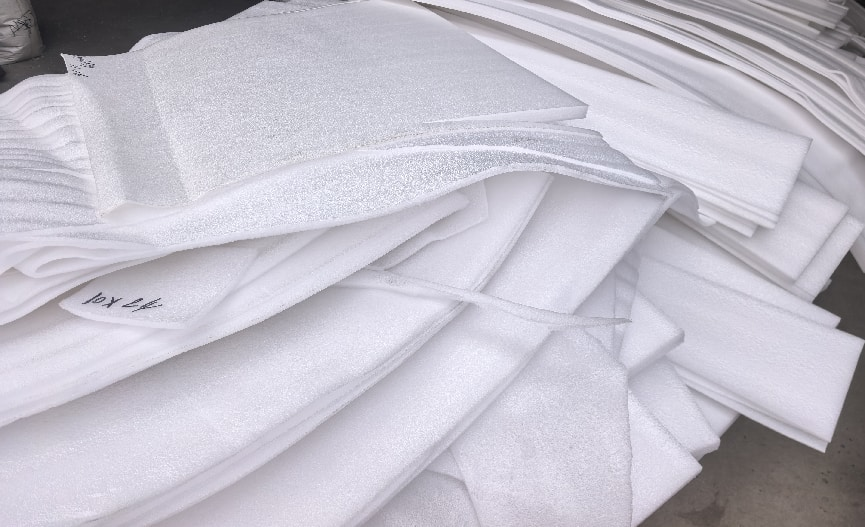
To understand how EPE foam can be recycled, it is important to first understand its material structure. EPE stands for Expandable Polyethylene. It is a non-cross-linked, closed-cell foam material produced from low-density polyethylene (LDPE).
Because EPE is a thermoplastic material rather than a thermoset, it can be reheated, reshaped, and reprocessed. This property makes EPE foam fully recyclable using mechanical recycling methods. Compared with many other foam materials, EPE has a clear advantage when it comes to recycling efficiency and output value.
In daily industrial and commercial activities, EPE foam waste comes from many sources. Common applications include packaging for electronics, household appliances, medical equipment, precision instruments, furniture, wine bottles, hardware products, toys, fruits, and daily consumer goods.
From a recycling perspective, EPE waste usually appears in the form of packaging inserts, sheets, rolls, or protective padding. As a result, recycling systems must be flexible enough to handle different shapes and sizes while maintaining stable output quality.
Yes, EPE foam is completely recyclable. Unlike some composite or cross-linked foams, EPE can be processed repeatedly without destroying its basic polymer structure.
After recycling, EPE foam typically enters the market in two main forms. One is recycled polyethylene granules, which can be reused to manufacture plastic products. The other is compressed EPE blocks or cakes, which are traded as recyclable raw material for further processing.
Because both forms have established downstream demand, EPE foam recycling is widely accepted and economically viable.
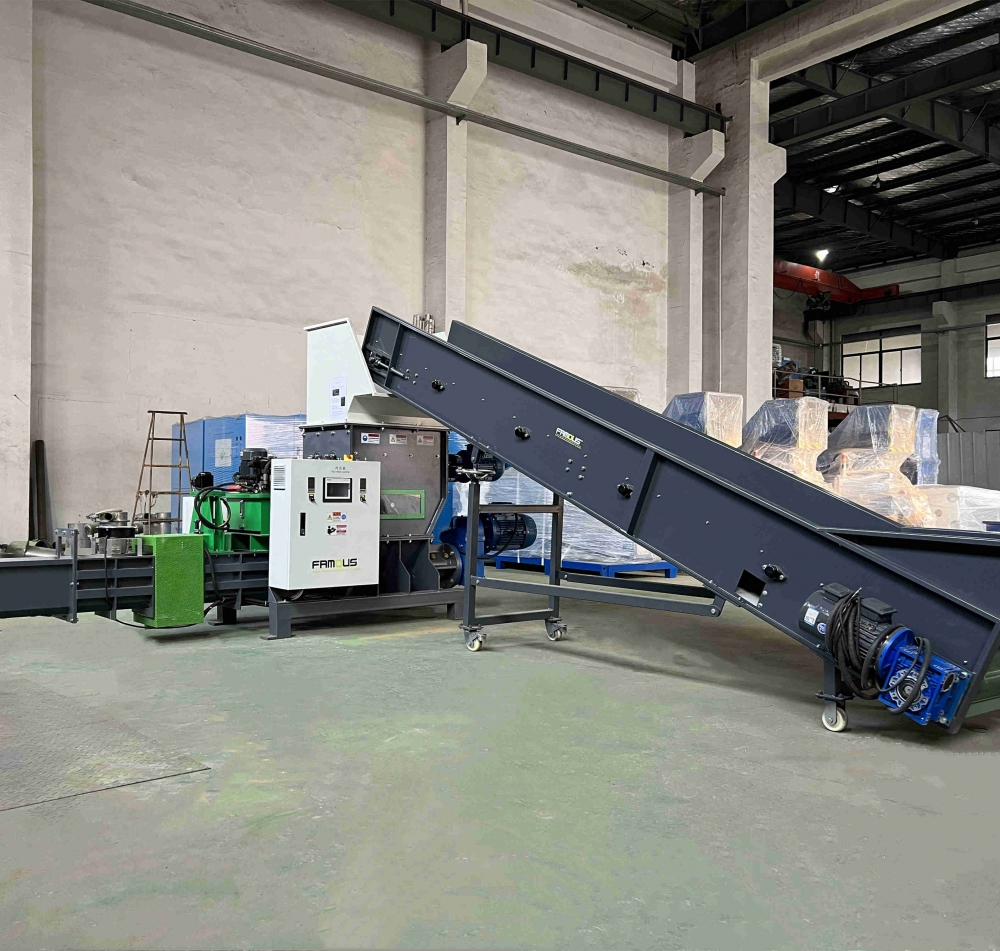
In practice, EPE foam recycling mainly follows two proven methods, depending on the condition of the material and the recycling goal.
For clean and relatively uniform EPE foam waste, direct recycling through crushing and pelletizing is a common solution. In this process, EPE foam is shredded into small pieces and then melted and extruded into recycled PE granules.
This method is suitable for manufacturers with stable waste sources and consistent material quality. The main advantage is that the output can be used directly as recycled plastic raw material.
In many real-world situations, EPE foam waste is bulky and scattered, making transportation inefficient. To solve this problem, volume reduction is often performed before further recycling.
By using an EPE foam compactor or a hot melting machine, loose foam can be compressed into dense cakes or blocks. These compacted forms are easier to store, transport, and sell, and they can later be pelletized if needed.
When reducing the volume of EPE foam, two main technologies are used: cold pressing and hot melting.
An EPE foam compactor uses mechanical force to compress foam without fully melting it. Some compactors are equipped with surface hot-melting devices to prevent the material from rebounding after compression.
This solution is energy-efficient and suitable for dry, clean EPE foam. Since no full heating process is involved, energy consumption remains relatively low, and the material structure is well preserved.
An EPE foam melting machine combines crushing, heating, and extrusion. The foam is heated until it softens and is then extruded into dense blocks or cakes.
Hot melting achieves a higher volume reduction ratio, which is especially useful for centralized recycling and long-distance transportation. The resulting compressed material is stable and easy to handle in downstream processes.
Although equipment configurations may vary, a standard EPE foam recycling workflow follows a clear and repeatable structure. First, EPE foam waste is collected and sorted to remove contaminants. Next, the foam is shredded or crushed into smaller pieces.
After size reduction, the material is either compacted or hot-melted to reduce volume. Finally, the compressed material can be pelletized or sold directly as recyclable feedstock. This structured process supports stable operation and scalable recycling capacity.
Key Recycling Equipment Used for EPE Foam
The shredding or crushing stage is essential for preparing EPE foam for further processing. Foam shredders and crushers are designed to break down loose foam, rolls, or even compacted blocks into manageable pieces. This step improves feeding efficiency and ensures the output of finished products in next processing.
EPE foam compactors are designed specifically for volume reduction. Compared with standard cold pressing machines, advanced compactors include surface heating features to prevent compressed foam from loosening again. These machines are suitable for facilities focused on logistics efficiency and waste reduction.
The hot melting machine is designed to handle dry EPE foam through crushing, melting, and extrusion. Its compact structure, simple operation, and low maintenance requirements make it suitable for recycling centers and industrial users handling large foam volumes.
For businesses aiming to produce recycled raw material, EPE foam pelletizers convert processed foam into PE granules. These granules can be reused in plastic manufacturing, helping close the material recycling loop.
From a commercial standpoint, EPE foam recycling offers clear value. Volume reduction lowers storage and transportation costs, while recycled products generate revenue through resale or reuse.
In addition, recycling EPE foam reduces waste disposal expenses and supports resource efficiency. Because both recycled granules and compressed EPE blocks have stable market demand, EPE recycling is widely considered one of the more profitable foam recycling options.
Selecting the right EPE foam recycling solution depends on several practical factors. These include daily processing volume, available space, energy conditions, and whether the final goal is material resale or in-house reuse.
Facilities with limited space may prioritize compaction or hot melting, while manufacturers focused on material reuse may invest in complete pelletizing lines. Matching equipment to real operational needs is key to achieving stable and efficient recycling results.
In summary, EPE foam is a fully recyclable packaging material with strong market acceptance. Thanks to its thermoplastic nature, EPE can be processed through shredding, compaction, hot melting, and pelletizing without complex chemical treatment.
By choosing the right recycling method and equipment, businesses can effectively reduce waste volume, lower operating costs, and convert EPE foam waste into valuable recyclable resources. Well-planned EPE foam recycling is not only environmentally responsible but also economically practical.
If you are looking for a reliable and practical solution to recycle EPE foam efficiently, Famous Machinery can support your project from equipment selection to system design. Please Contact Famous Machinery to get practical advice and a customized EPE foam recycling solution that fits your real production needs.



Email: [email protected]
Whatsapp/wechat: +8618915721292
Liangfeng Packaging Industrial Zone, Yangshe Town, Zhangjiagang City, Jiangsu Province, China.


