
EPS (Expanded Polystyrene) foam is widely used in packaging, appliances, construction, and transportation. Although it is lightweight, it takes up a huge amount of space and is difficult to handle during storage and transportation. Because of this, many businesses struggle with the cost and inefficiency of managing EPS waste. This is where an EPS foam compactor becomes an essential solution for modern recycling systems.
Today, more companies are looking for sustainable and cost-effective ways to process waste materials. An EPS foam compactor not only reduces waste volume but also helps turn discarded foam into valuable recycled resources. To better understand why this equipment matters, let’s take a closer look at what it is and how it works.
An EPS foam compactor is a specialized machine designed to compress expanded polystyrene waste—commonly known as Styrofoam—into dense, manageable blocks. These blocks are much smaller in volume and easier to store, transport, and recycle.
By using strong mechanical pressure or heat (depending on the model), the compactor can reduce EPS volume by up to 90–95%, turning bulky foam into high-density material that can be reused to make picture frames, construction materials, office supplies, and other plastic products.
In other words, an EPS foam compactor transforms low-density foam waste into a valuable recyclable resource and plays an important role in the circular economy.
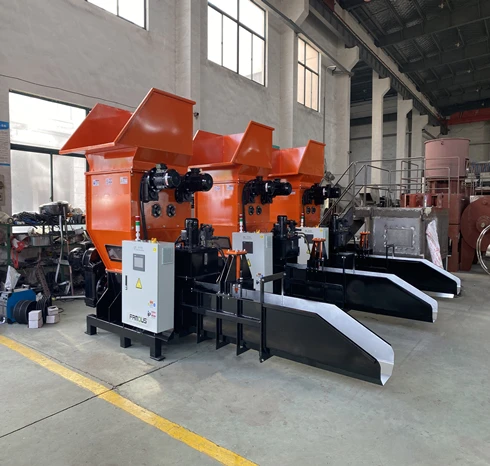
Although different models may vary, most EPS foam compactors follow these basic steps:
Workers place loose EPS foam into the machine’s hopper. Because EPS is extremely lightweight, it usually requires continuous feeding for the most efficient operation.
Some compactors include a built-in crusher that breaks large foam pieces into smaller fragments. This helps the material compact more evenly and efficiently.
The compactor processes EPS using either cold compression or heat:
Cold compaction (Foam Compactor):
The machine uses mechanical pressure to compress EPS into dense blocks without changing its chemical structure.
Hot melting (Foam Densifier):
The machine applies heat to melt EPS into a much denser, solid form with higher resale value.
No matter the method, the machine significantly reduces the size of the foam, making it easier to handle.
Finally, the machine discharges compressed or melted blocks that are uniform, solid, and easy to transport. These blocks are ready for recycling or resale.
To meet different recycling needs, EPS foam compaction equipment generally comes in three main types:
Uses mechanical pressure to turn loose foam into compact blocks.
Energy-efficient
No heating required
Suitable for warehouses, logistics centers, and recycling stations
Melts EPS to create extremely dense output with a higher market value.
Ideal for large volumes of EPS
Popular in manufacturing and recycling plants
Uses hydraulic power for stronger compression.
Suitable for heavy-duty applications
Handles large amounts of foam waste efficiently
Businesses can choose the right equipment based on their waste volume, processing goals, and space availability.
Adopting an EPS foam compactor offers numerous practical and environmental benefits, making it a valuable investment for modern businesses:
The machine dramatically decreases foam size, minimizing waste storage space and improving waste handling efficiency.
With foam compressed into dense blocks, businesses can significantly cut shipping and warehousing expenses.
Foam blocks produced by a compactor can be sold to recycling factories and turned into new plastic products.
EPS waste is difficult to biodegrade. Compacting and recycling it helps reduce environmental impact and encourages responsible waste management.
As global sustainability standards rise, many industries need proper EPS recycling solutions. A compactor helps meet these expectations easily and effectively.
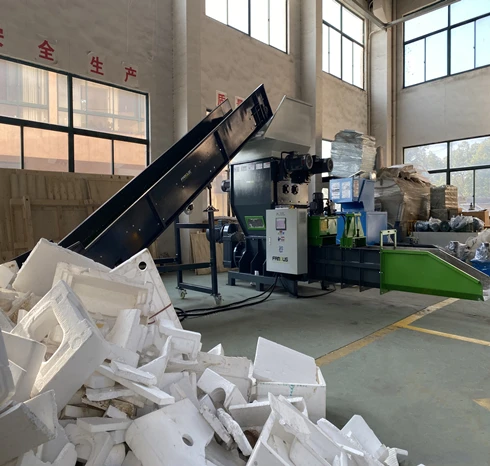
Because EPS is used in so many industries, EPS foam compactors fit into a wide range of applications, including:
Packaging factories
Appliance recycling centers
E-commerce and logistics warehouses
Recycling stations and waste management facilities
Construction and renovation waste collection
Food packaging and agricultural supply chains
Large supermarkets and retail chains
Government environmental projects
Any business producing EPS waste can benefit from a compactor to streamline operations and reduce costs.
Choosing a high-quality EPS foam compactor ensures:
Stable and efficient performance
Lower energy consumption
Safer waste handling
Longer equipment lifespan
Higher output value
Stronger support for recycling goals
Working with a professional manufacturer also ensures better technical support, service, and long-term reliability.
An EPS foam compactor is a powerful tool for businesses seeking efficient, cost-effective, and eco-friendly waste management. By converting bulky foam waste into valuable recycling material, it helps companies reduce costs, increase recycling income, and support a sustainable environment.
If your business wants to improve EPS recycling efficiency or needs reliable foam compaction equipment, Famous Machinery is ready to help. With strong manufacturing capabilities and a clear mission to “TURN WASTE TO VALUE,” we provide professional solutions for EPS, plastic, and foam recycling.
Choose Famous Machinery — Your trusted partner in foam compaction and recycling solutions.



Email: [email protected]
Whatsapp/wechat: +8618915721292
Liangfeng Packaging Industrial Zone, Yangshe Town, Zhangjiagang City, Jiangsu Province, China.


