
As the electronics industry continues to grow, the use of protective packaging materials such as Expanded Polystyrene (EPS) has increased significantly. From televisions to household appliances, EPS plays a vital role in protecting fragile products during transportation. However, this also leads to a large amount of EPS packaging waste. Therefore, EPS recycling has become an important solution for manufacturers and recyclers looking to reduce waste and improve resource efficiency.
To begin with, EPS is a lightweight and durable material widely used in electronics packaging. It is made up of about 98% air, which gives it excellent shock absorption and insulation properties. As a result, EPS is commonly used to protect products such as TVs, refrigerators, computers, and other sensitive devices.
At the same time, its low weight helps reduce transportation costs. However, because EPS is bulky and not biodegradable, proper EPS recycling is necessary to prevent environmental impact and improve material reuse.
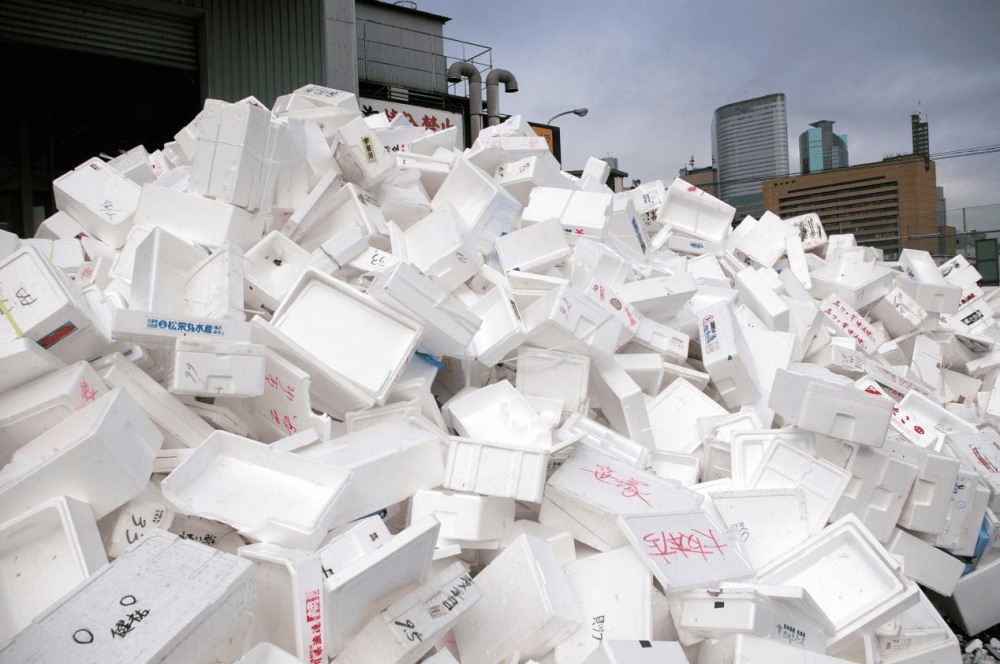
Despite its advantages, recycling EPS from the electronics industry presents several challenges. First, EPS waste has a very low density, which means it takes up a large volume during storage and transportation. Consequently, logistics costs can become high if the material is not properly processed.
In addition, EPS packaging often contains contaminants such as dust, labels, and adhesive residues. These impurities can affect the quality of recycled materials if not removed. Therefore, efficient cleaning and processing systems are essential for successful EPS recycling.
First of all, EPS waste is collected from manufacturing plants, warehouses, and recycling centers. After collection, the material is pre-sorted to remove non-EPS materials and heavily contaminated pieces. This step ensures that only suitable material enters the recycling process, improving overall efficiency.
Next, the EPS waste is processed through a foam crusher to reduce its size. By breaking the material into smaller pieces, the system increases handling efficiency and prepares it for further treatment. In addition, smaller particles allow for better cleaning and more uniform processing.
After crushing, the material enters a foam washing line. This stage includes processes such as rinsing and friction cleaning to remove dust, dirt, and surface contaminants. Because clean material is essential for producing high-quality recycled products, this step plays a critical role in EPS recycling.
As a result, properly washed EPS flakes are more suitable for the next stages and help improve the final pellet quality.
Following the washing stage, the material is dried to remove excess moisture. At the same time, densification is often used to compress the EPS into more compact forms. This step significantly reduces volume, making storage and transportation more efficient.
Therefore, densifying not only lowers logistics costs but also prepares the material for stable feeding into the foam pelletizer.
Finally, the processed EPS material is fed into a foam pelletizer. In this stage, the material is heated, melted, and extruded into uniform plastic pellets. These pellets are easy to store, transport, and reuse in manufacturing.
Because the foam pelletizer determines the final product quality, stable temperature control and proper filtration are important. As a result, high-quality pellets can be produced for various industrial applications.
When setting up an EPS recycling system, selecting the right equipment is essential. Typically, a complete line includes a foam crusher, foam washing line, drying system, densifier, and foam pelletizer. Each machine plays a specific role in ensuring smooth and efficient processing.
Moreover, integrating these machines into a complete recycling line helps improve automation, reduce labor costs, and achieve consistent output quality.
Once processed, recycled EPS pellets can be used in a wide range of applications. For example, they are commonly used in the production of construction materials, plastic products, and new packaging solutions. In some cases, recycled EPS is also used in insulation products due to its lightweight properties.
Therefore, EPS recycling not only reduces waste but also creates valuable raw materials for various industries.
From a business perspective, EPS recycling offers several clear advantages. First, it helps reduce waste disposal costs by converting bulky foam waste into reusable material. Second, densification and pelletizing improve transportation efficiency, lowering logistics expenses.
In addition, recycled pellets can be sold or reused in production, creating an additional source of revenue. As a result, investing in EPS recycling equipment can bring both economic and environmental benefits.
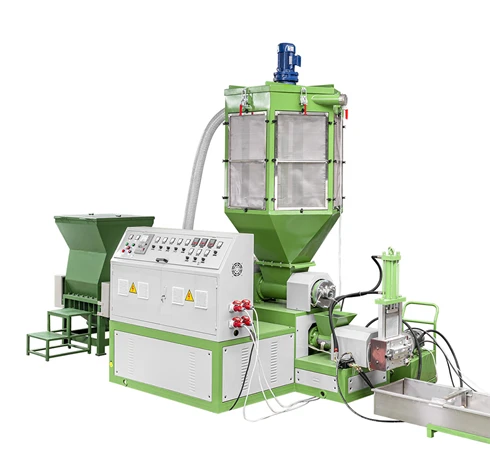
When selecting an EPS recycling system, businesses should consider several factors. First, the volume of EPS waste will determine the required capacity of the equipment. Second, the level of contamination will influence whether a washing line is necessary.
Furthermore, the desired end product—such as densified blocks or plastic pellets—will affect the choice of machinery, especially the foam pelletizer. Therefore, choosing the right configuration is essential for achieving efficient and cost-effective operation.
At this stage, working with a reliable equipment supplier is key to building a successful recycling system. Suzhou Famous Machinery Company, located in Zhangjiagang city, is a professional manufacturer specializing in plastic recycling machines. With the mission “TURN WASTE TO VALUE,” the company provides advanced solutions for EPS recycling and other plastic waste processing.
Famous Machinery offers a full range of equipment, including foam hot melting machines, foam cold compactor machines, foam washing lines and high-performance foam pelletizers. In addition, with its own machining factory, the company can provide customized recycling solutions based on different materials and production requirements.
Backed by mature technology, stable quality, and extensive export experience, Famous Machinery supports customers worldwide in building efficient and reliable recycling systems. If you are looking to improve your EPS recycling process or invest in a complete foam recycling line, please contact Famous Machinery for professional guidance and tailored solutions.



Email: [email protected]
Whatsapp/wechat: +8618915721292
Liangfeng Packaging Industrial Zone, Yangshe Town, Zhangjiagang City, Jiangsu Province, China.


