
As plastic waste continues to increase worldwide, industries are under growing pressure to adopt efficient recycling solutions. At the same time, manufacturers are seeking cost-effective ways to reuse materials and reduce dependence on virgin plastics. Therefore, understanding the plastic recycling process is essential for businesses involved in production, waste management, and sustainability initiatives. From collection to pelletizing, each step plays a key role in turning waste into valuable raw material.
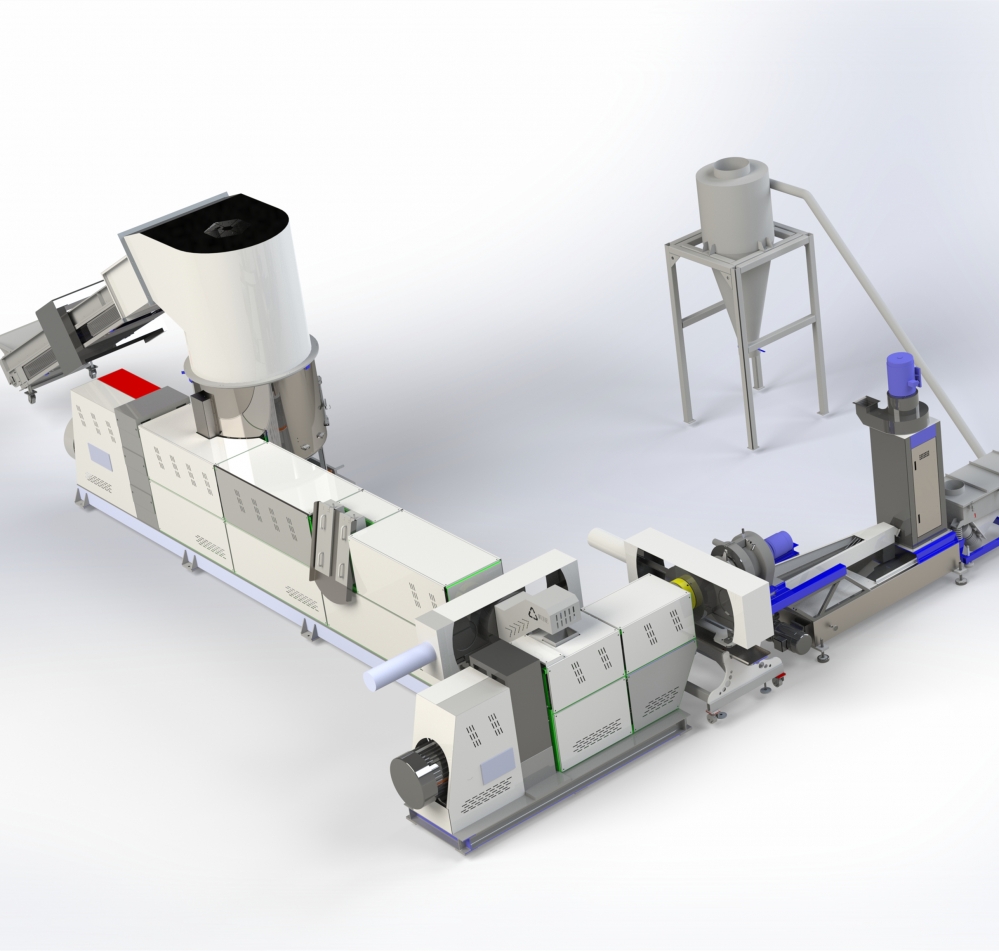
To begin with, a modern plastic recycling system is not a single machine but a complete production line. Typically, it includes sorting equipment, shredders, washing systems, drying units, and pelletizing machines. These components work together to process waste plastics into clean, uniform pellets. As a result, companies can achieve consistent output quality while improving operational efficiency.
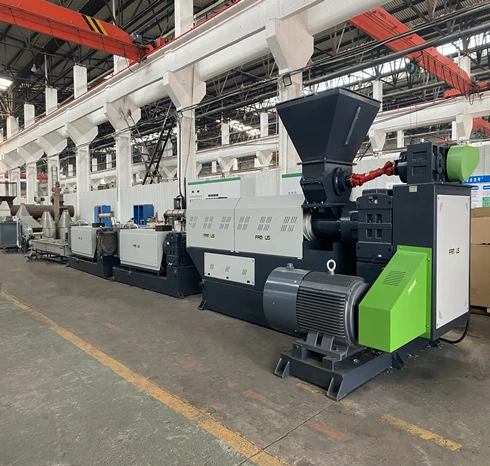
First of all, the recycling process starts with collecting plastic waste from various sources such as households, industrial facilities, and commercial operations. After collection, the materials are sorted based on polymer type, color, and contamination level. This step is important because different plastics, such as PP, PE, PS, and ABS, require different processing conditions. Consequently, accurate sorting ensures smoother downstream processing and better final product quality.
Next, the sorted plastics are fed into shredders or granulators for size reduction. These machines cut the materials into smaller flakes, which increases surface area and improves processing efficiency. In addition, smaller and more uniform pieces help reduce energy consumption during melting. Therefore, shredding prepares the material for effective cleaning and further treatment.
After shredding, the plastic flakes enter the washing stage, which is one of the most critical parts of the recycling process. A typical PP/PE washing line or foam washing line includes several steps such as cold washing, hot washing, friction washing, and rinsing. These processes remove dirt, labels, oil, and other contaminants.
Because impurities can negatively affect the quality of recycled pellets, thorough cleaning is essential. As a result, well-designed washing systems ensure that the plastic flakes are clean, odor-free, and suitable for high-quality recycling applications.
Following the washing stage, the material undergoes separation processes to remove unwanted substances. For example, float-sink tanks are used to separate plastics based on density, while metal detectors remove metallic contaminants. At the same time, drying systems such as centrifugal dryers or thermal dryers reduce moisture content.
Since excessive moisture can cause defects during extrusion, proper drying is necessary. Consequently, this step ensures stable processing and improves the consistency of the final pellets.
After cleaning and drying, the plastic flakes are processed in a plastic pelletizing machine. In this stage, the material is heated, melted, and filtered through screens to remove any remaining impurities. Then, the molten plastic is extruded and cut into small, uniform pellets.
Because pellet quality directly affects downstream manufacturing, parameters such as temperature control, filtration efficiency, and melt flow stability must be carefully managed. As a result, high-quality pelletizers can produce consistent and reusable plastic granules suitable for a wide range of applications.
While the process may seem straightforward, several factors influence the final pellet quality. For instance, contamination levels, moisture content, and temperature control all play important roles. In addition, the efficiency of filtration systems and the stability of the extrusion process can impact pellet uniformity.
Therefore, using reliable equipment and maintaining proper operating conditions are essential to achieving high-quality recycled materials.
Once produced, recycled plastic pellets can be used in many industries. For example, they are widely applied in manufacturing plastic films, pipes, injection-molded products, sheets, and packaging materials. In addition, certain recycled plastics are used in automotive components, construction materials, and consumer goods.
Because recycled pellets can replace a significant portion of virgin materials, they help reduce production costs and support sustainable manufacturing practices. As a result, they are becoming increasingly important in modern industrial applications.
When selecting recycling equipment, businesses should consider several key factors. First, the type of plastic material—such as rigid plastics, films, or foam—will determine the required machinery. Second, production capacity, typically measured in kilograms per hour, should match operational needs.
Furthermore, the level of contamination in the raw material affects the complexity of the washing system. Finally, energy consumption, automation level, and maintenance requirements should also be evaluated. By considering these factors, companies can select equipment that delivers both efficiency and long-term value.
In addition to technical considerations, cost and return on investment are important for decision-making. Although the initial investment in a recycling line can be significant, the long-term benefits often outweigh the cost. Recycled plastic pellets can be sold or reused in production, creating a steady revenue stream.
Moreover, recycling helps reduce waste disposal costs and improves resource utilization. Therefore, a well-designed recycling system can provide both economic and environmental benefits over time.
At this stage, choosing the right partner is just as important as selecting the right equipment. Famous Machinery is a professional manufacturer of plastic recycling machines, located in Zhangjiagang, a well-known industrial city in China. With a strong focus on the mission “TURN WASTE TO VALUE,” the company provides reliable and efficient recycling solutions for global customers.
Famous Machinery offers a full range of equipment, including PP/PE washing lines, foam washing lines, PP/PE pelletizers, and foam pelletizers. In addition, with its own machining factory, the company can deliver customized solutions based on different materials and production requirements.
Backed by mature technology, stable quality, and extensive export experience, Famous Machinery supports customers in building efficient recycling systems and achieving sustainable growth. If you are looking for a trusted plastic recycling machine supplier, please feel free to Contact Famous Machinery for professional support and tailored solutions.



Email: [email protected]
Whatsapp/wechat: +8618915721292
Liangfeng Packaging Industrial Zone, Yangshe Town, Zhangjiagang City, Jiangsu Province, China.


