
In many industries, PVC is widely used due to its durability and versatility. However, unlike common plastics such as PET or PE, PVC cannot usually be processed through standard curbside recycling systems. This is because PVC has unique chemical properties and can contaminate other plastic streams if not handled correctly.
For this reason, a structured PVC recycling process is necessary. With proper sorting, cleaning, and the use of specialized equipment, PVC waste can be effectively converted into reusable material, reducing both waste and production costs.
When considering recycling, it is important to first understand where PVC waste originates. PVC is commonly found in construction and industrial applications, which means waste can come from multiple sources.
Typical examples include pipes, fittings, window frames, vinyl siding, flooring, cables, and tubing. In addition to post-consumer waste, a significant amount of PVC waste is generated during manufacturing processes such as extrusion and injection molding.
Among these, PVC purge is one of the most common industrial waste forms. It usually appears as solid lumps or thick blocks, making it difficult to process without proper size reduction.
Before starting the recycling process, it is necessary to understand the main challenges associated with PVC materials. These challenges directly affect both processing efficiency and final product quality.
One key issue is heat sensitivity. PVC can degrade if processed at improper temperatures, which requires careful control during recycling. In addition, PVC often contains additives such as stabilizers and plasticizers, which can affect recycling behavior.
Another challenge is contamination. PVC waste may include metal fasteners, labels, adhesives, or other non-PVC materials. Furthermore, rigid PVC and flexible PVC must often be handled separately due to differences in composition.
Because of these factors, proper pre-treatment and controlled processing steps are essential.
To achieve efficient recycling, PVC materials must go through a structured process. Each step plays a specific role in ensuring stable output and material quality.
At the beginning of the process, PVC waste must be identified and sorted. This includes separating rigid PVC from flexible PVC, as well as removing non-PVC plastics.
Proper sorting helps avoid contamination and ensures consistent material quality in later stages. It also improves the efficiency of downstream equipment.
After sorting, visible contaminants should be removed. This includes metal parts, labels, tape, glue, and other attached materials.
Clean input material is essential for a stable PVC recycling process. Removing contaminants at an early stage reduces equipment wear and improves final product quality.
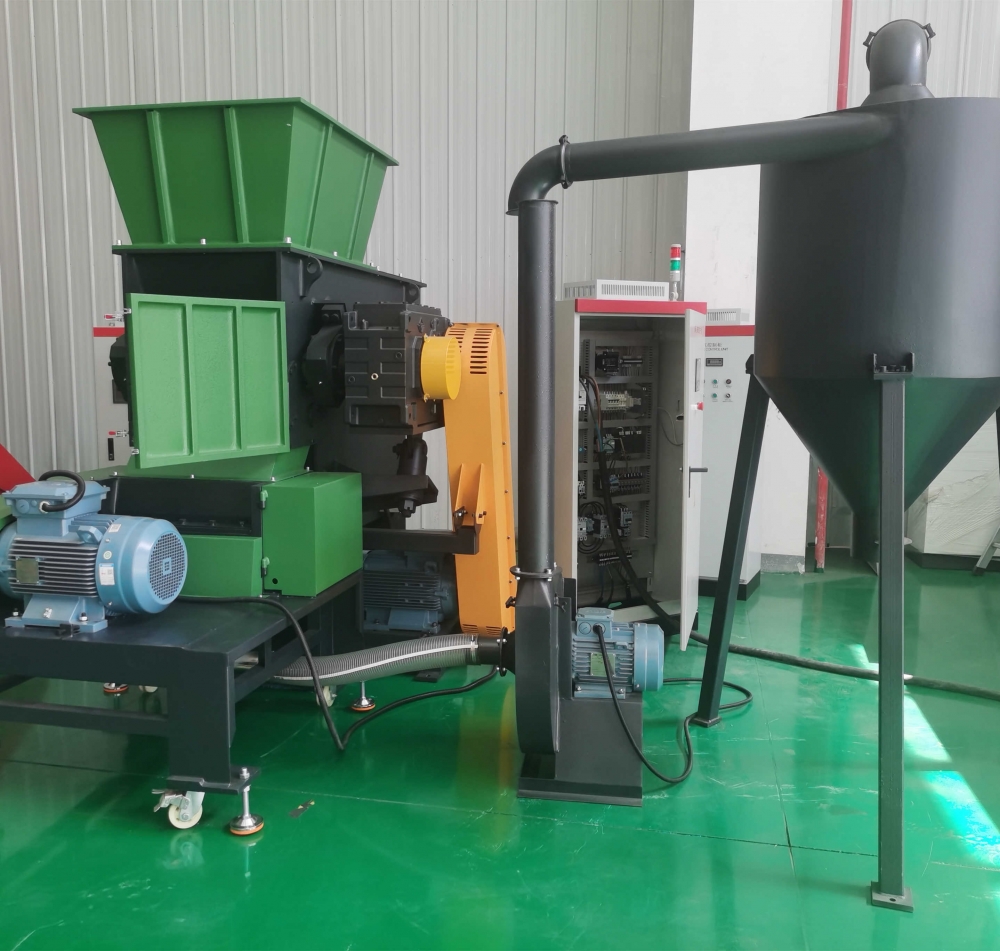
Once the material is prepared, the next step is size reduction. At this stage, a PVC purge shredder or single shaft shredder is used to process large and hard PVC waste.
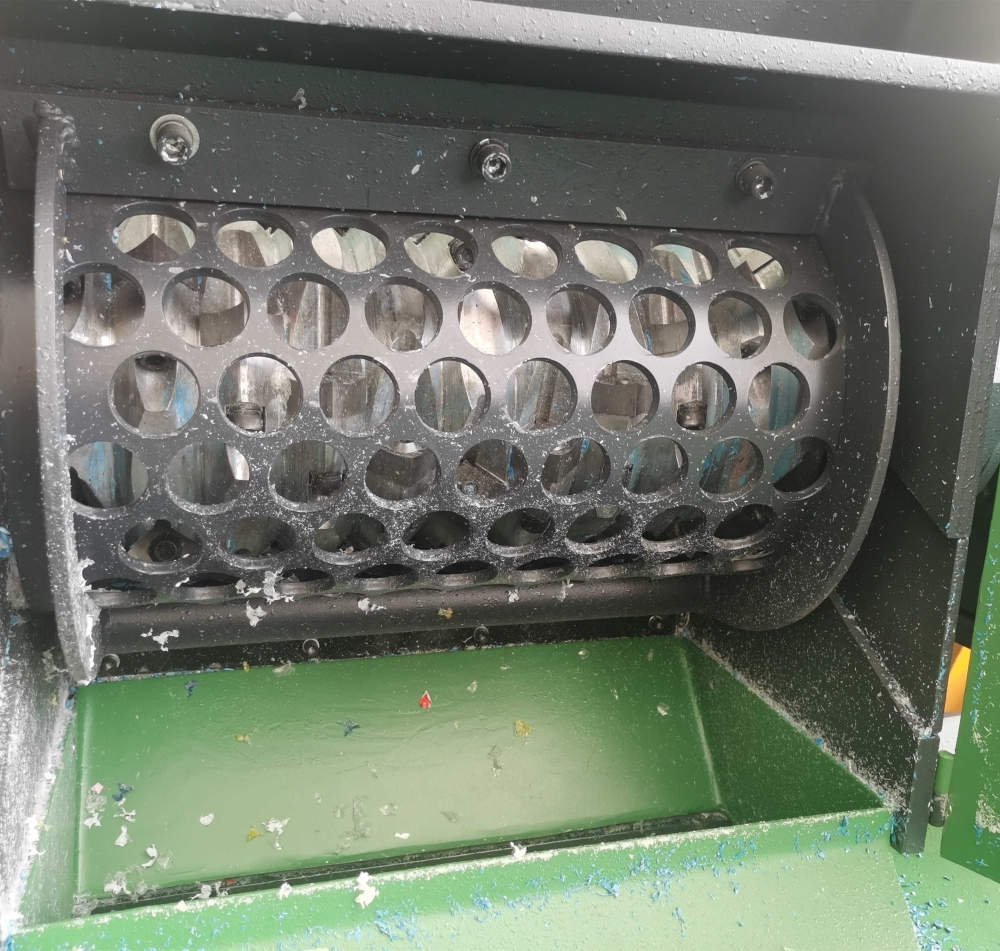
These machines are designed with strong rotors and durable blades, allowing them to handle rigid PVC pipes, thick lumps, and industrial purge. The shredder reduces the material into smaller, uniform pieces, making it suitable for further processing.
This step is critical, as it directly affects the efficiency of the entire recycling line.
After shredding, the material may go through a secondary crushing stage. A crusher or granulator is used to further reduce particle size and improve uniformity.
This step is especially important when the recycled material will be used in pelletizing. Consistent size helps ensure stable feeding and better processing results.
If the PVC material contains dirt, dust, or surface contaminants, a cleaning step is required. In this case, a plastic washing line is used to remove impurities.
However, not all PVC waste requires washing. For clean industrial scrap, such as in-house purge, this step may be optional. The decision depends on the condition of the material.
After washing, the material must be dried before further processing. Moisture can negatively affect downstream operations, especially during pelletizing.
Drying systems such as dewatering machines or hot air dryers are commonly used to reduce moisture content and prepare the material for the next stage.
Finally, the processed material is sent to a plastic pelletizer for reprocessing. In this stage, the shredded PVC is melted and formed into uniform pellets.
These recycled pellets can be reused in various applications, such as pipes, profiles, and construction materials. This step completes the transformation from waste into valuable raw material.
When discussing recycling methods, it is important to distinguish between mechanical and chemical approaches.
Mechanical recycling involves shredding, washing, and pelletizing. This method is widely used for clean PVC waste, especially industrial purge, due to its efficiency and lower cost.
Chemical recycling, on the other hand, breaks PVC down into its chemical components. This method is typically used for heavily contaminated or complex materials that cannot be processed mechanically.
Based on the process described above, a complete PVC recycling line includes several key machines. Each piece of equipment plays a specific role in the system.
The main equipment includes a PVC purge shredder, crusher or granulator, plastic washing line, drying system, and plastic pelletizer. Together, these machines form an integrated solution for processing PVC waste.
It is important to note that equipment configuration should be based on material type, contamination level, and production requirements.
In summary, PVC can be effectively recycled when handled through a proper and controlled process. From sorting and cleaning to shredding and pelletizing, each step is essential for achieving stable and high-quality output.
By using suitable equipment such as a PVC purge shredder, combined with washing and pelletizing systems, manufacturers can turn PVC waste into reusable material. This not only reduces waste but also improves overall production efficiency.
Famous Machinery provides complete PVC recycling solutions, including PVC purge shredders, crushers, plastic washing lines, and plastic pelletizer systems. Our equipment is designed to handle both rigid and flexible PVC materials, helping manufacturers build efficient and reliable recycling lines.
If you are looking to improve your PVC recycling process or set up a complete recycling system, feel free to contact us. Our team can provide a customized solution based on your material type and production capacity.



Email: [email protected]
Whatsapp/wechat: +8618915721292
Liangfeng Packaging Industrial Zone, Yangshe Town, Zhangjiagang City, Jiangsu Province, China.


