
In plastic manufacturing, purge waste is generated during machine startup, shutdown, and material changes. This type of waste usually appears as large, solid lumps or irregular blocks, which are difficult to handle directly. As a result, many factories face problems such as high storage costs and material loss.
To address these issues, a structured plastic purge recycling process becomes essential. By using proper equipment and workflow, manufacturers can convert purge waste into reusable material, improving both efficiency and cost control.
When looking at different materials, it is important to understand that purge waste properties vary depending on the polymer type. PP, PE, and PVC are among the most common plastics used in industrial production, and each produces different types of purge.
PP purge is usually hard and dense, often coming from injection molding processes. PE purge, on the other hand, is more flexible and is commonly found in film extrusion or pipe production. PVC purge requires special attention because it is sensitive to heat during processing.
Despite these differences, all purge materials share common features. They are typically bulky, irregular in shape, and not suitable for direct feeding into standard recycling equipment. Therefore, size reduction is always the first step.
Before setting up a recycling system, it is necessary to understand the main challenges involved. These challenges directly affect equipment selection and process design.
One major issue is the large size of purge lumps, which cannot be processed without pre-shredding. In addition, the material is often hard and dense, leading to higher wear on blades and cutting systems. In some cases, purge may also contain dust, labels, or other contaminants.
Another common challenge is material mixing. When different plastics such as PP, PE, and PVC are combined, it can affect the quality of the final recycled product. Because of these factors, a well-structured and step-by-step recycling process is required.
To achieve efficient recycling, a complete process is needed. The following steps describe a typical workflow used in many industrial recycling lines.
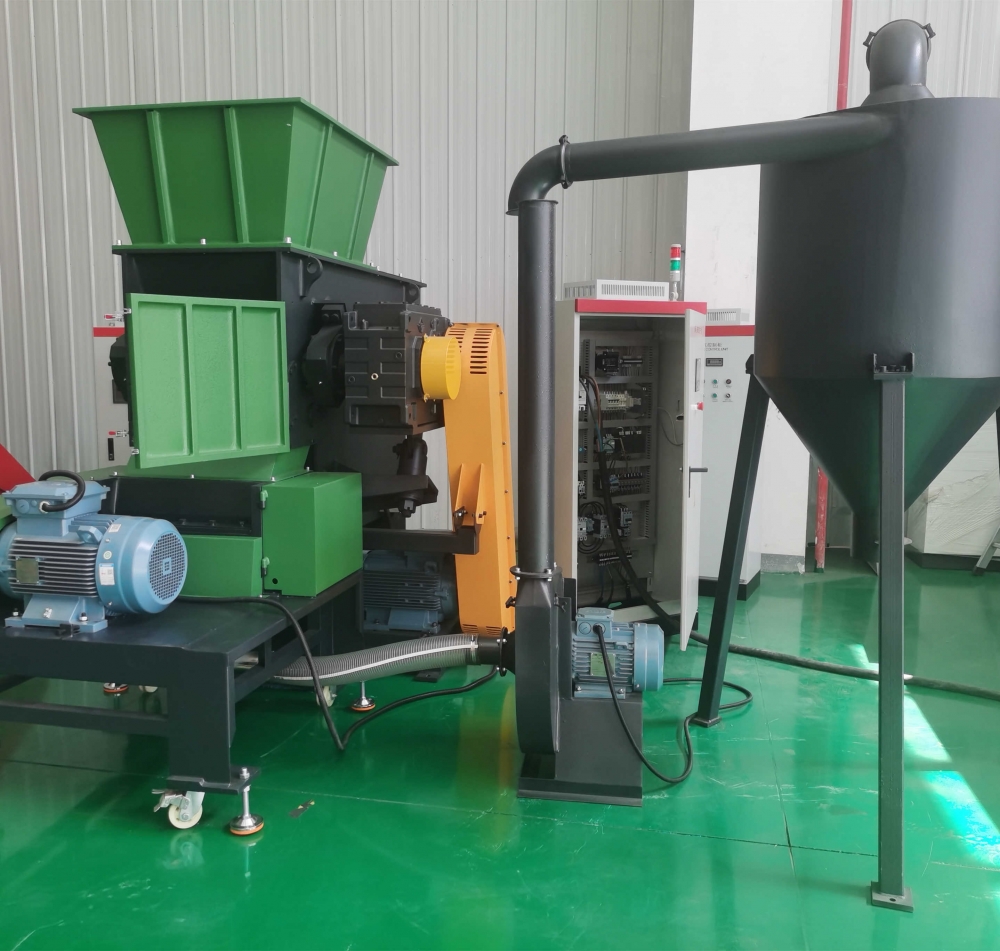
At the beginning of the process, large purge lumps are fed into a plastic purge shredder or single shaft shredder. This machine is designed to handle hard and bulky materials.
Through a strong rotor and durable blades, the shredder reduces large purge into smaller, manageable pieces. This step is critical because it prepares the material for further processing and ensures smooth operation in downstream equipment.
After primary shredding, a secondary crushing stage may be required depending on the final size requirement. In this stage, a crusher or granulator is used to further reduce the material size.
This step helps produce more uniform particles, which is especially important when feeding into a pelletizing system. For applications with strict size control, secondary crushing improves consistency and processing stability.
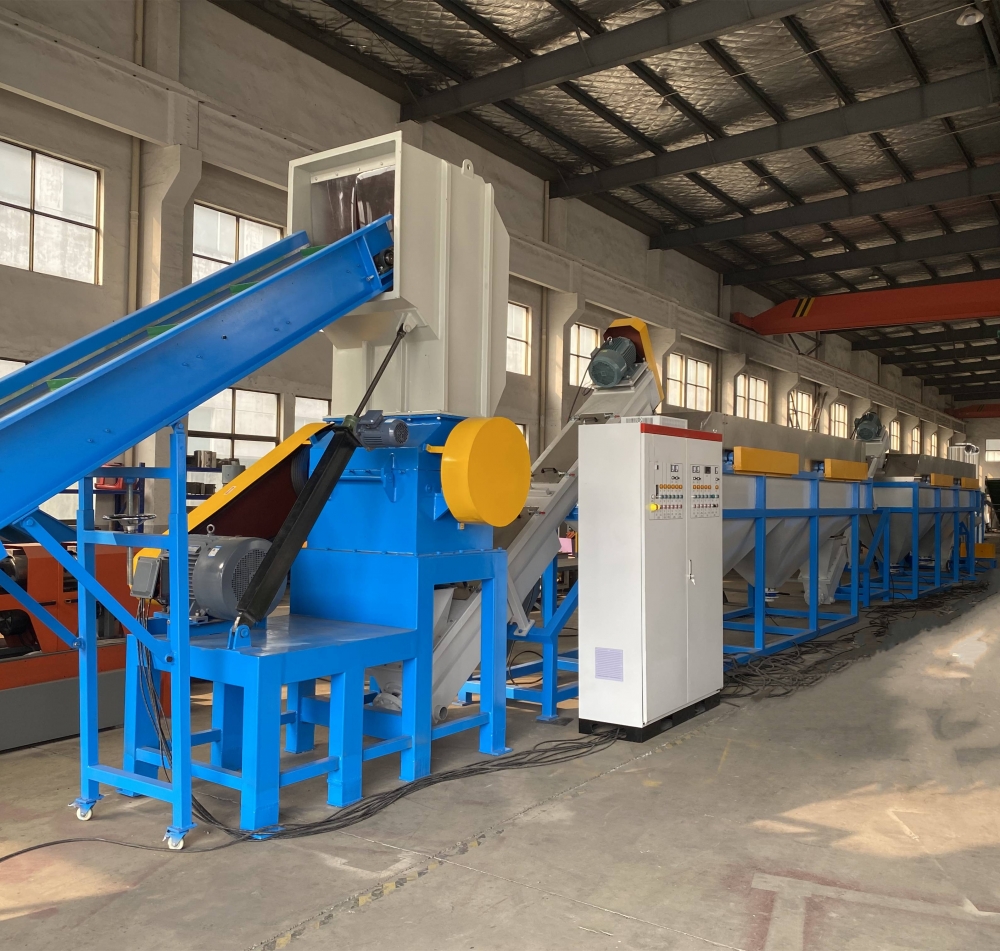
If the purge material contains contaminants, a cleaning step should be added. In this case, a plastic washing line can be used to remove dust, oil, labels, or other impurities.
However, it is important to note that not all purge materials require washing. For clean, in-house production waste, this step can sometimes be skipped. The need for a washing process depends on the actual condition of the material.
After washing, the material must be dried before further processing. Moisture content can affect the quality of the final product, especially during pelletizing.
Drying systems such as dewatering machines or thermal dryers are used to reduce moisture levels. This step ensures stable operation in the next stage and helps maintain pellet quality.
Finally, the processed material is fed into a plastic pelletizer or foam pelletizer system. At this stage, the shredded and cleaned plastic is melted and formed into uniform pellets.
These recycled pellets can then be reused in production, reducing the need for virgin materials. This step completes the transition from waste to valuable resource, making the recycling process economically beneficial.
Based on the process described above, a typical purge recycling line includes several key machines. Each piece of equipment plays a specific role in ensuring efficiency and output quality.
The core machine is the purge shredder, which handles primary size reduction. A crusher may be added for further size control. If contamination is present, a plastic washing line is included, followed by a drying system. Finally, a plastic pelletizer completes the recycling process.
It is important to note that the exact configuration depends on material type, contamination level, and production requirements. Therefore, proper system design is essential.
Implementing a purge recycling system brings several practical advantages to manufacturers. These benefits are both operational and economic.
First, recycling reduces waste disposal costs by converting purge into usable material. At the same time, it lowers the need for purchasing new raw materials, which helps control production expenses.
In addition, recycling improves factory efficiency by reducing storage space for waste. It also supports environmental goals by minimizing plastic waste and promoting resource reuse.
In summary, PP, PE, and PVC purge can be effectively recycled through a structured process that includes shredding, optional crushing, cleaning, drying, and pelletizing. Each step plays a critical role in ensuring the final material can be reused in production.
By using the right equipment and process design, manufacturers can turn difficult-to-handle purge waste into valuable recycled material. This not only improves efficiency but also supports sustainable manufacturing practices.
Famous Machinery provides complete plastic purge recycling solutions for PP, PE, and PVC materials. Our product range includes purge shredders, crushers, plastic washing lines, and plastic pelletizer systems, designed to work together as a stable and efficient recycling line.
If you are looking to improve your recycling efficiency or build a complete purge recycling system, feel free to contact us. Our team can provide a customized solution based on your material type and production capacity.



Email: [email protected]
Whatsapp/wechat: +8618915721292
Liangfeng Packaging Industrial Zone, Yangshe Town, Zhangjiagang City, Jiangsu Province, China.


